
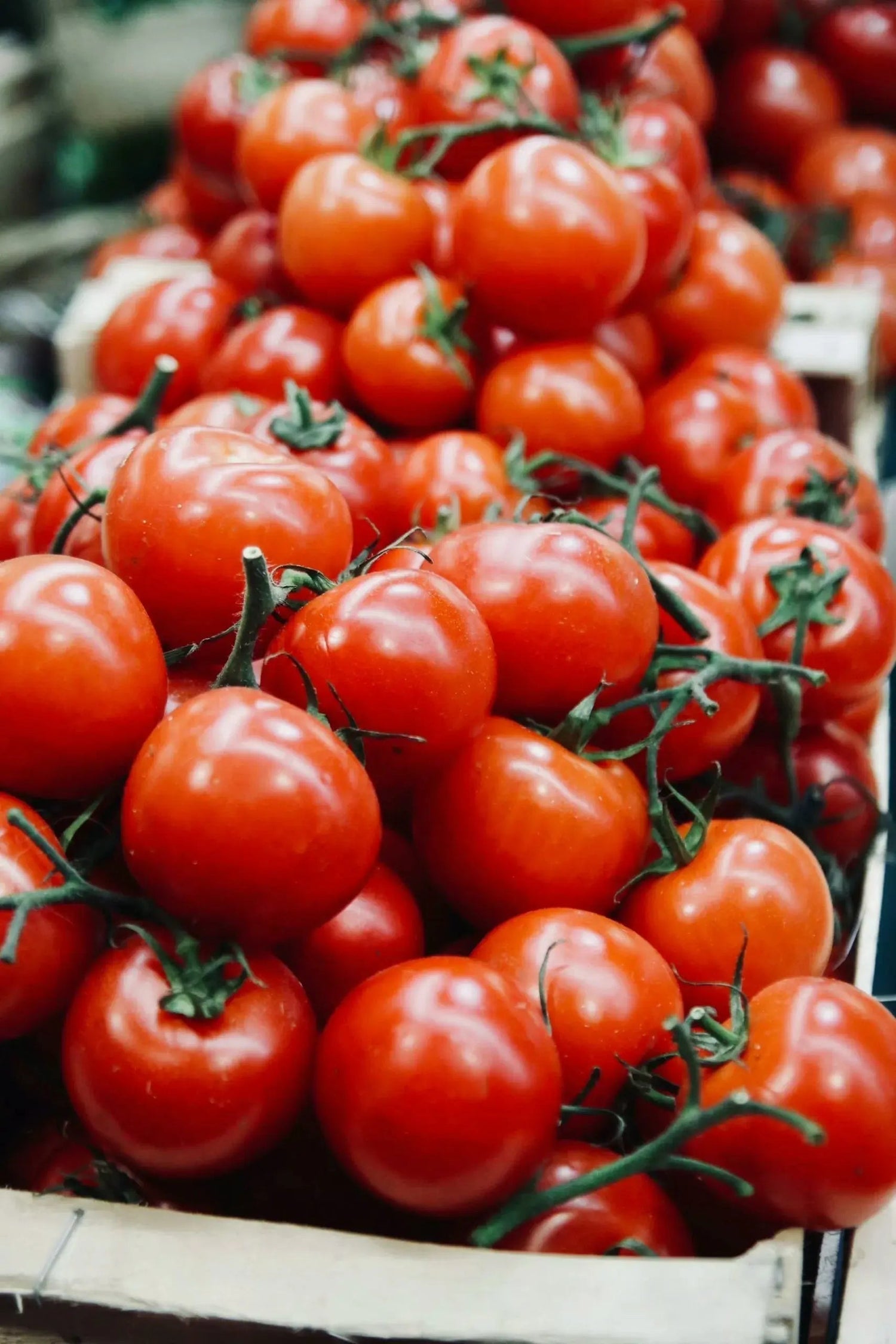
The Best Tomatoes to Grow in a Greenhouse
Maximize your greenhouse harvest by selecting the perfect tomato varieties. Learn about plant types, disease resistance, and our expert recommendations for cherry, cocktail, and beefsteak tomatoes.
Did you know there are over 10,000 tomato varieties? Finding the perfect variety of tomatoes to grow in a greenhouse can be challenging. Finding a suitable variety for your growing environment will increase yields, increase quality, reduce pests, and lengthen your growing season.
All tomato varieties fit into three types: indeterminate, determinate, and semi-determinate. Understanding these categories is essential for selecting varieties that will thrive in your greenhouse environment.
Understanding Tomato Plant Types
Before selecting specific varieties, it's crucial to understand the three main categories of tomato plants and how they behave in greenhouse conditions.
Indeterminate Tomatoes
Indeterminate tomato plants grow continuously, flower, and produce fruit until killed by frost or other conditions. Indeterminate tomato plants are known for their continuous growth and can grow tall if not pruned or supported. While you can get multiple harvests from one plant, their size may not be suitable for all greenhouse growing situations.
Determinate Tomatoes
A determinate tomato plant is genetically programmed to grow to a certain height and to set fruit within a relatively short period. Determinate tomato plants are more like a bush and compact. They are more suitable for environments with limited space or gardeners looking for a concentrated harvest. They also require less pruning than the indeterminate plants.
Semi-Determinate Tomatoes
A semi-determinate hybrid carries characteristics of both the indeterminate tomato and the determinate. Semi-determinate tomato plants grow to moderate size and may produce fruit over an extended period. They may need some pruning, but less than the indeterminate tomatoes. Semi-determinate are the most versatile and suitable for various growing environments, such as greenhouses and outdoor cultivation. They are an attractive option for a wide range of growing conditions.
Why Semi-Determinates Excel in Greenhouses
Semi-determinate varieties offer the perfect balance of manageable size with extended harvest periods, making them ideal for greenhouse environments where space efficiency and continuous production are both important.
Disease Resistance Considerations
Understanding the types of tomato plants will help you select the best tomatoes to grow in your greenhouse. You may also want to find seeds resistant to common tomato diseases. (University of Georgia Extension) recommends looking for varieties with VNFT resistance codes on seed packets.
Common disease resistance codes include:
- V - Verticillium Wilt resistance
- N - Nematode resistance
- F - Fusarium Wilt resistance
- T - Tobacco Mosaic Virus resistance
Greenhouse Disease Prevention
Enclosed greenhouse environments can accelerate disease spread if conditions become too humid or poorly ventilated. Selecting disease-resistant varieties is your first line of defense against common tomato ailments.
Our Top Recommendations for Greenhouse Tomatoes
Based on extensive growing experience and feedback from greenhouse gardeners, here are our top variety recommendations organized by tomato type and size.
Cherry Tomatoes
Sweet 100, Sun Gold, and Black Cherry are popular choices for greenhouse cultivation. They produce small, flavorful tomatoes that are perfect for snacking and salads.
Cherry tomatoes excel in greenhouse environments because they:
- Produce continuously throughout the growing season
- Require minimal space per fruit
- Are less prone to cracking and splitting
- Offer exceptional flavor concentration
- Provide high yields in small spaces
Cherry varieties like Sun Gold provide continuous harvests of flavorful, bite-sized tomatoes.
Cocktail Tomatoes
Varieties like Mountain Magic and Mountain Merit are known for their disease resistance and excellent flavor. They are well-suited for greenhouse growing and produce medium-sized fruits.
These varieties bridge the gap between cherry and full-size tomatoes, offering:
- Perfect size for garnishes and appetizers
- Superior disease resistance genetics
- Excellent shelf life after harvest
- Balanced sweet-acid flavor profiles
Mountain Magic varieties like the blight-busting hybrid provide continuous harvests of flavorful, salad-sized tomatoes.
Beefsteak Tomatoes
For larger tomatoes, consider varieties such as Big Beef, Brandywine, or Beefmaster. These robust plants can thrive in a greenhouse environment and yield hefty, flavorful fruits.
Growing beefsteak varieties in greenhouses requires:
- Strong support systems for heavy fruit
- Adequate spacing between plants
- Consistent watering to prevent cracking
- Regular pruning for optimal fruit development
Brandywine varieties like the classic pink heirloom deliver robust harvests of flavorful, beefsteak-sized tomatoes.
Determinate Varieties for Limited Space
Consider compact, determinate tomato varieties such as Celebrity or Roma. These plants are well-suited for greenhouse growing due to their bushy nature and controlled growth, making them easier to manage within the confined space of a greenhouse.
Planting and Care Tips
Successful greenhouse tomato growing extends beyond variety selection. Proper planting techniques and ongoing care are essential for maximizing your harvest.
Spacing and Support
Proper plant spacing ensures adequate air circulation and light penetration:
- Indeterminate varieties: 18-24 inches apart
- Determinate varieties: 12-18 inches apart
- Install support systems before planting
- Use trellises, cages, or string systems for support
Temperature and Ventilation
Maintain optimal growing conditions with these temperature ranges:
- Daytime temperatures: 70-80°F (21-27°C)
- Nighttime temperatures: 60-65°F (15-18°C)
- Provide adequate ventilation to prevent disease
- Monitor humidity levels to prevent fungal issues
Watering and Fertilization
Consistent care practices ensure healthy plant development:
- Water consistently but avoid overwatering
- Use drip irrigation for efficient water delivery
- Apply balanced fertilizer regularly during growing season
- Increase phosphorus during flowering and fruiting
Additional Growing Tips
For comprehensive greenhouse tomato production guidance, including advanced techniques and troubleshooting, focus on maintaining consistent environmental conditions and selecting varieties that match your growing goals and greenhouse space.
Frequently Asked Questions
What's the difference between determinate and indeterminate tomatoes?
Determinate tomatoes grow to a specific height and produce fruit in a concentrated period, while indeterminate varieties continue growing and producing until killed by frost. Semi-determinate varieties combine characteristics of both types.
Which tomato varieties are best for beginners in greenhouses?
Cherry varieties like Sweet 100 and determinate types like Celebrity are excellent for beginners. They're more forgiving, require less pruning, and produce reliable harvests in greenhouse environments.
Can I grow different tomato varieties together in one greenhouse?
Yes, but consider their different growth habits and care requirements. Group similar types together and ensure adequate spacing. Be aware that cross-pollination can occur if you plan to save seeds, as noted by Oregon State University Extension.
How many tomato plants can I fit in a small greenhouse?
This depends on your greenhouse size and variety choice. Generally, allow 2-3 square feet per determinate plant and 3-4 square feet per indeterminate plant. Consider vertical growing to maximize space.
When should I start tomato seeds for greenhouse growing?
Start seeds 6-8 weeks before your intended planting date. For year-round greenhouse growing, you can start successive plantings throughout the season for continuous harvests.
0 comments