

Key Takeaways:
- Every Season Grows Something: A year-round greenhouse lets you match crops to conditions, so there's always something in the ground.
- Insulation Beats Add-Ons: Strong panels and vents do most of the work before you spend on heaters or lights.
- Plan By Temperature, Not Calendar Day: Track your interior climate and rotate crops around it for steady harvests.
What if your garden never had to sleep? While outdoor beds go dormant in frost or wilt under the scorching summer sun, a well-managed greenhouse keeps producing. You can get tomatoes in January, greens in July, and everything in between. The secret isn't luck; it's knowing what to plant, and when.
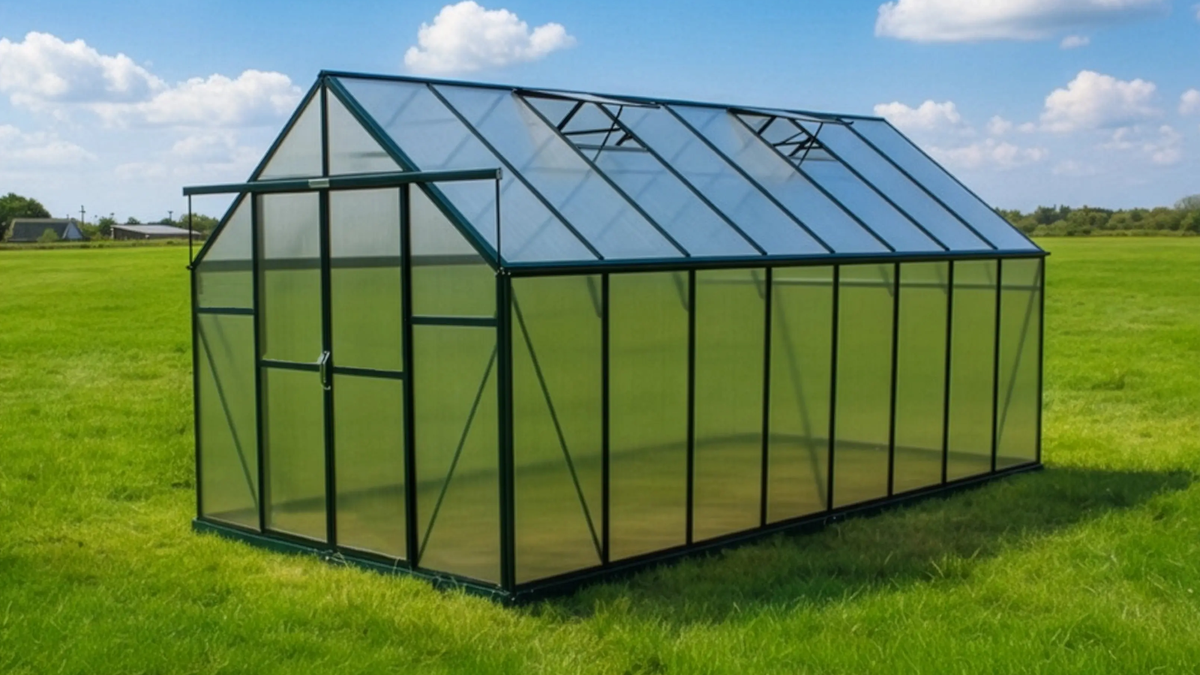
At Grandio® Greenhouses, we've spent years engineering greenhouses specifically for four-season growing, with reinforced aluminum frames, twin-wall polycarbonate insulation, and ventilation systems designed to handle everything from summer heat to heavy snow loads. We've worked alongside thousands of home growers who have turned their greenhouses into year-round food sources, and we've learned exactly what makes that possible.
In this piece, we'll walk through what to plant each season in a year-round greenhouse, so you can map out a calendar that keeps your garden productive no matter what the weather outside is doing.
How A Year-Round Greenhouse Changes Your Seasonal Harvests
The biggest shift is simple: instead of one or two harvest windows, you get four. Outdoors, you're locked into your frost dates, but inside a greenhouse, warmer soil and trapped solar heat push your season weeks earlier in spring and later in fall. Plus, with the right cold-hardy crops matched to your climate, you can keep going straight through winter. That's because a greenhouse lets you manage temperature, humidity, and airflow independent of the weather outside. Basically, this control turns "growing when you can" into "growing what you want, when you want."

Spring: Fast-Growing Greens And Warm-Weather Seed Starts
Spring is your busiest planting window. The greenhouse warms fast on sunny days, giving you a head start on both quick greens and the heat-lovers you'll transplant later.
Quick Cool-Season Greens
Lettuce, spinach, arugula, and radishes germinate fast in spring's mild greenhouse temps. So, direct-sow these for salads while the outdoor beds are still too cold to touch.
Starting Warm-Weather Transplants
It's also the time to start warm-weather transplants. Tomatoes and peppers generally go in about 6–8 weeks before your last frost, with eggplant needing a longer lead time of 8–12 weeks, depending on your region. Basil starts well indoors too, and the protected environment gives you sturdy, well-hardened seedlings ready to plant out once nights are reliably warm.
Summer: Maximizing Heat-Loving Crops And Thermal Control
Summer is peak production for warm-season crops, but heat management makes or breaks it. No matter what, proper ventilation and shade should keep your greenhouse from cooking your plants.
The Heat-Loving Main Crops
Tomatoes, peppers, cucumbers, eggplant, and melons all thrive in the heat, but the greenhouse needs ventilation and shade to avoid heat stress and pollination problems. Generally speaking, tomato growth and fruit set both slow above roughly 90°F, and heat stress can cause flower drop. That said, trellising vining crops upward saves space and improves airflow around the fruit, which helps on both fronts.
Keeping Temperatures In Check
Roof vents, sliding doors, and shade cloth all help prevent the daytime temperature spikes that stall pollination and stress plants. From there, good airflow cuts down on fungal problems that tend to show up in humid summer conditions.
Autumn: Transitioning To Cold-Tolerant Veggies And Soil Prep
Autumn is your transition season. As heat-lovers wind down, you swap in cold-tolerant crops and prep beds for the leaner winter months ahead.
Planting Cold-Tolerant Crops
Kale, chard, broccoli, carrots, and beets go in as summer crops finish. Sown in early fall, they establish while there's still warmth and continue producing into the cold, though exact planting dates vary by climate and crop maturity.
Refreshing Your Soil
This is also the right time to refresh your soil. Pull spent summer plants, amend beds with compost, and replenish nutrients before the next round, since healthy soil now sets up strong cool-season growth ahead.

Winter Greenhouse Gardening: Cool-Season Crops And Frost Protection
Winter greenhouse gardening is about the hardiest crops and holding heat overnight. You won't grow tomatoes in January, but fresh greens are absolutely realistic.
Cool-Season Crops That Perform
Spinach, mache, kale, leeks, and hardy lettuces tolerate cold and short days. Growth slows, so plant in the fall and harvest steadily through winter rather than expecting fast turnover.
Holding Heat Through The Night
This matters just as much as crop selection. Thicker twin-wall panels, row cover, and thermal mass like water barrels all buffer against nighttime lows, though performance varies by design and climate. In colder zones, Greenhouse Heaters keep things above freezing during hard cold snaps when passive insulation alone isn't enough.
How Grandio® Greenhouses Keep Your Setup Growing Season To Season
Year-round growing puts real demands on a structure, and every Grandio® kit is built with that in mind. Every model comes standard with twin-wall polycarbonate panels with a UV coating for high light transmission and reliable insulation. Specifically, twin-wall glazing improves on single glazing and diffuses light, which helps keep warm-season crops productive and winter greens protected, though ventilation and shading are still needed to prevent overheating.
From there, adjustable roof vents, smooth-sliding doors, and rain gutters come standard, too, managing summer heat, airflow, and moisture so your microclimate stays workable across all four seasons. And because many of these greenhouses expand in 4-foot increments, your growing space can grow right along with your ambitions, without needing to start over with a bigger structure.
Essential Equipment To Grow Food Year-Round In A Greenhouse
If your goal is to grow food year-round, you'll need a few key tools beyond the structure itself. Most are simple, and the right ones make winter and summer far easier to manage. To begin, a thermometer or climate monitor, shade cloth for summer, and a small heater or thermal mass for winter cover both temperature extremes. On the other hand, vents tackle daytime heat while insulation handles the nights.
Rounding out the list are supplemental grow lights that extend short winter days, a fan that improves airflow to prevent disease, and a sustainable watering setup that keeps beds evenly moist year-round. While this isn’t necessary, adding row cover gives you one more layer of frost protection during the coldest stretches.

Final Thoughts
A year-round greenhouse turns gardening from a seasonal sprint into a steady rhythm, with spring seedlings, summer abundance, autumn transitions, and fresh winter greens. Match your crops to your interior climate, lean on solid insulation and ventilation, and you'll have something growing no matter what the calendar says. With the right structure and a few key tools, year-round harvests aren't ambitious. They're just how you garden now.
Frequently Asked Questions About Year-Round Greenhouses
Can you grow anything in a greenhouse all year round?
Almost, but not literally everything. Cold-hardy greens grow easily year-round, while heat-lovers like tomatoes need summer warmth or supplemental heat and light. Match crops to your greenhouse's actual temperatures each season for the best results.
What plants can be planted all year round?
Leafy greens like spinach, kale, chard, and lettuce, along with herbs like parsley and green onions, tolerate a wide temperature range. With staggered planting, these can be grown and harvested across nearly every season.
What can I grow in a greenhouse right now?
It depends on your season and climate, but cool-season greens like spinach, kale, and lettuce grow in most conditions. In warm months, add tomatoes, peppers, and cucumbers for full summer production.
How do I use a greenhouse all year round?
Manage temperature with vents and shade in summer, and insulation, thermal mass, or a heater in winter. Rotate crops to match each season as well, with warm-lovers in heat, and cold-hardy greens in the cooler months.
What should you not grow in a greenhouse?
Large, sprawling crops like corn, pumpkins, and full-size sweet potatoes are usually poor choices for small home greenhouses because they waste valuable space. Large or temperate fruit trees are often poor fits, too, since they may need winter chill, pollination support, and more room than the structure provides.
How does crop rotation work in a year-round greenhouse?
Rotate plant families between beds each cycle to prevent nutrient depletion and disease buildup. Follow heavy feeders like tomatoes with legumes or leafy greens, and refresh soil with compost between plantings to keep beds productive.